A Brief History of Pétanque
Pétanque is a type of boules game that evolved from the traditional "Jeu Provençal," which originated in southern France in the early 20th century. The story has it that the modern version was invented in 1910 in the town of La Ciotat, near Marseille, by Jules Lenoir and his friend Ernest Pitiot.
Lenoir, once an avid boules player, could no longer run due to rheumatism. To help his friend keep playing, Pitiot adapted the rules so that players would throw their boules from a fixed position, feet planted firmly inside a circle. This gave rise to the name pétanque, from the Provençal phrase "pieds tanques", meaning "feet tied together".
The game quickly caught on—not only was it easier to play, but it also welcomed people of all ages and abilities. What began as a simple adaptation soon became a beloved pastime across France.
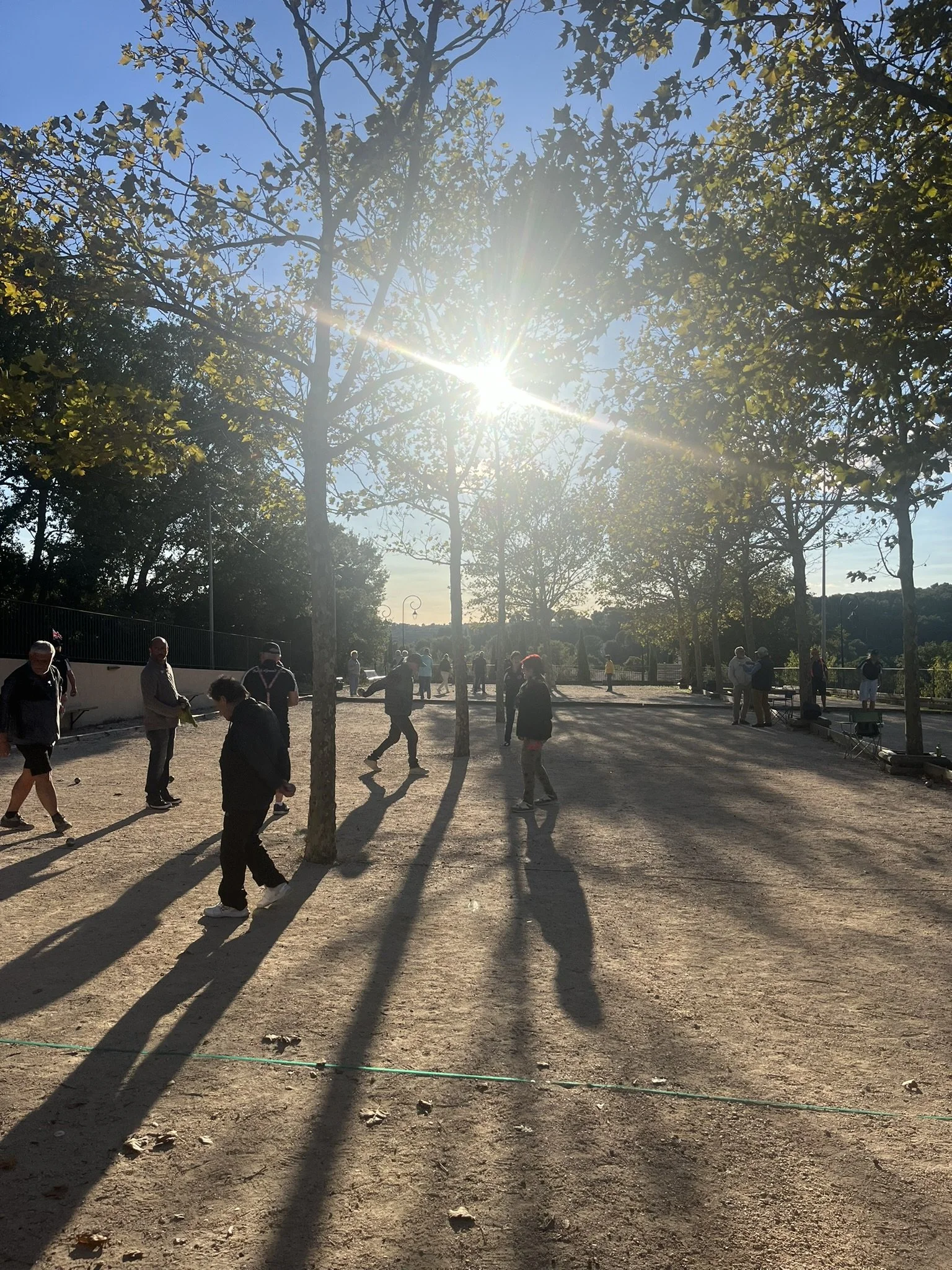
Today, pétanque is played socially and competitively in over 100 countries. It remains especially beloved in France, where it is considered a national pastime - an iconic part of village life, summer gatherings, and friendly competition under the sun.
How to Play a Game
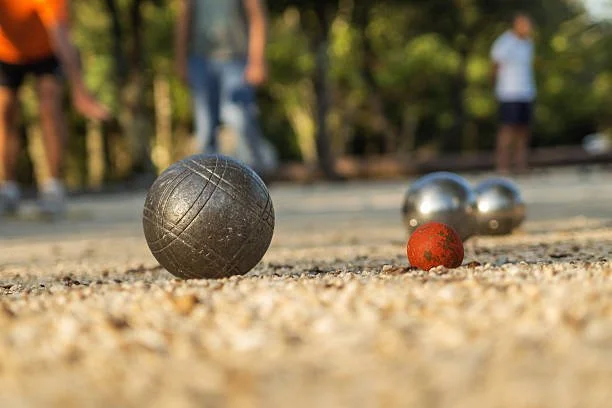
Pétanque is played with hollow steel balls called boules and a small wooden target ball known as the jack or cochonnet.
While the game is traditionally played on a gravel-topped terrain at least 12 metres long, it doesn’t require a special court—pétanque can be enjoyed informally on a variety of surfaces, including sandy beaches or park paths.
There are three standard formats:
Singles: Two players, each with 3 boules
Doubles: Two teams of two players, each player with 3 boules
Triples: Two teams of three players, each player with 2 boules
Boules come in matching sets of three, often marked with unique grooves or striations to aid playing skills and to help players identify their own boules during play.
-
![Close-up of a hand holding a coin between thumb and index finger against a dark blue background.]()
1. Decide who starts
The game begins with a coin toss between the two teams to determine who plays first.
-
![Person standing inside a yellow agility hoop on a gray textured surface, wearing beige high-top sneakers and dark blue jeans.]()
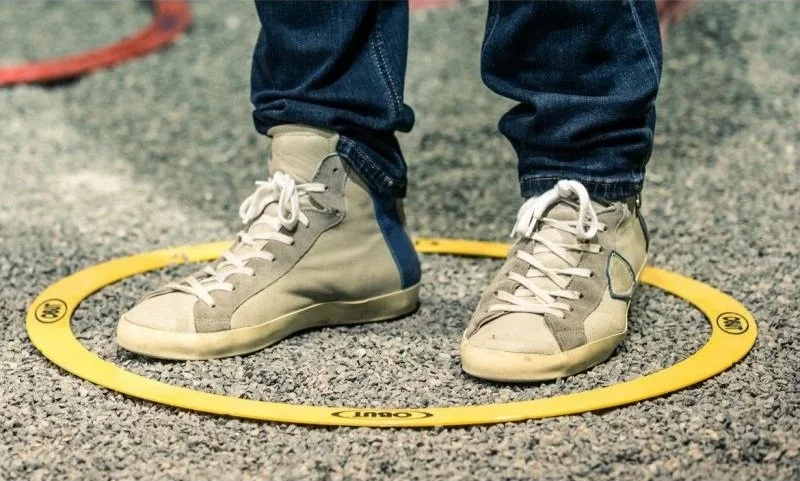
2. Draw a circle
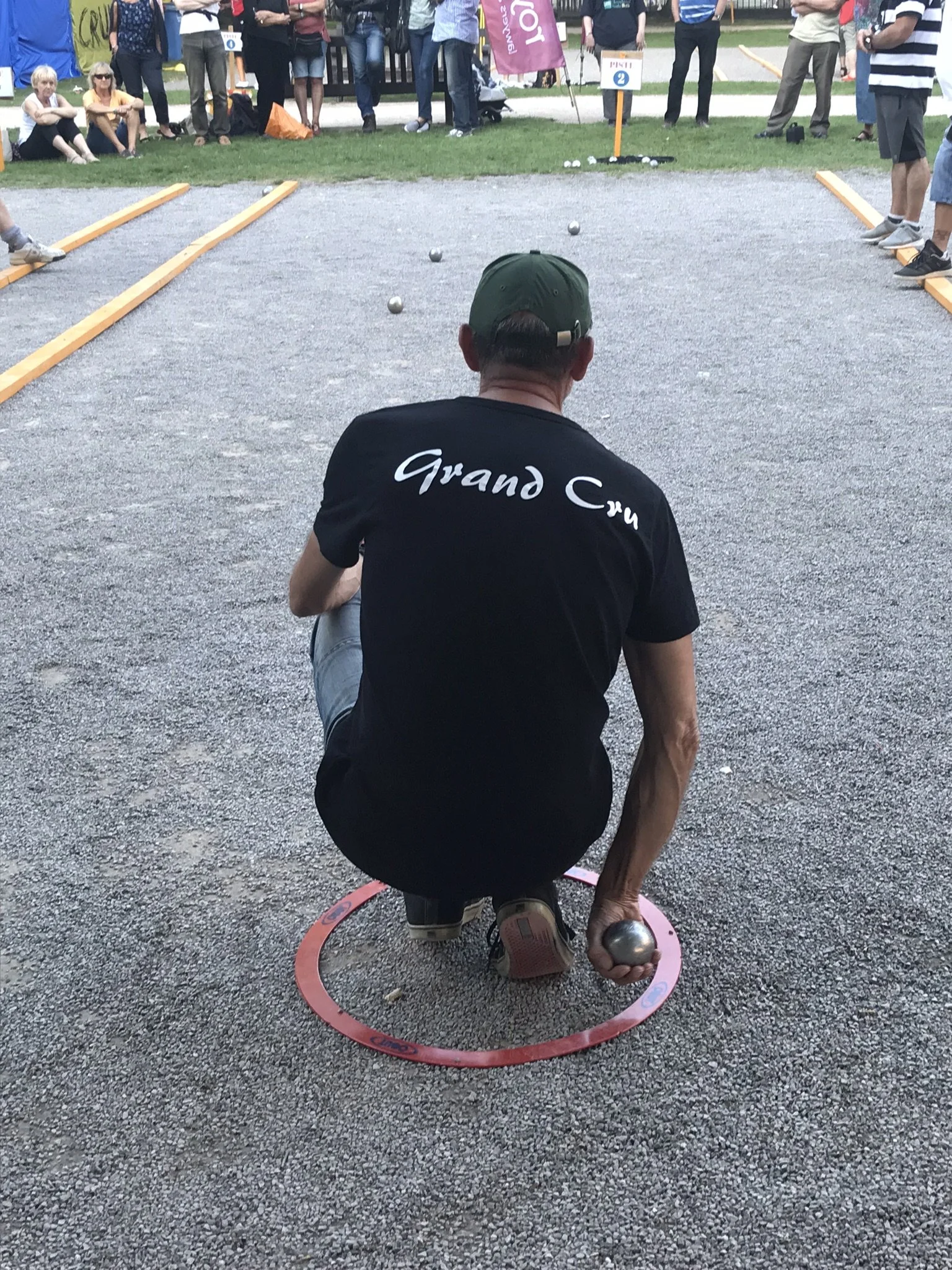
A player from the starting team draws a circle on the ground (approx. 35 to 50 cm in diameter) or uses a playing circle (la ronde).
All players must throw from within this circle, with both feet on the ground.
-
![A hand holding a red ball against a blurred background.]()
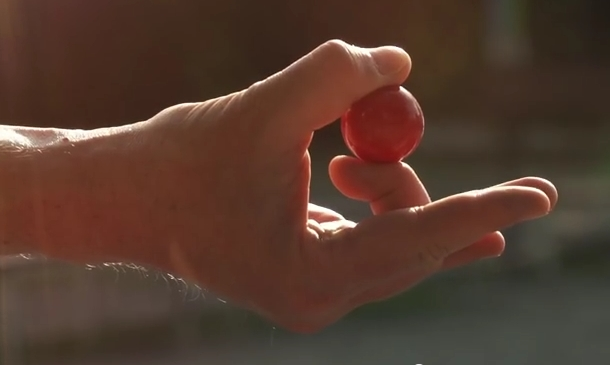
3. Throw the Jack
The same player then throws the jack (target ball) to a distance of 6 to 10 metres, ensuring it lands within the playing area and is clearly visible.
-
![An elderly man wearing a navy blue shirt with white text on the back kneels on the ground to play pétanque, holding a metal ball in his right hand, with a yellow cloth in his left hand, and is within a red circle on the gravel surface. Behind him, several people are watching and sitting, with some standing and some seated, near a row of trees and parked cars beside a chain-link fence.]()
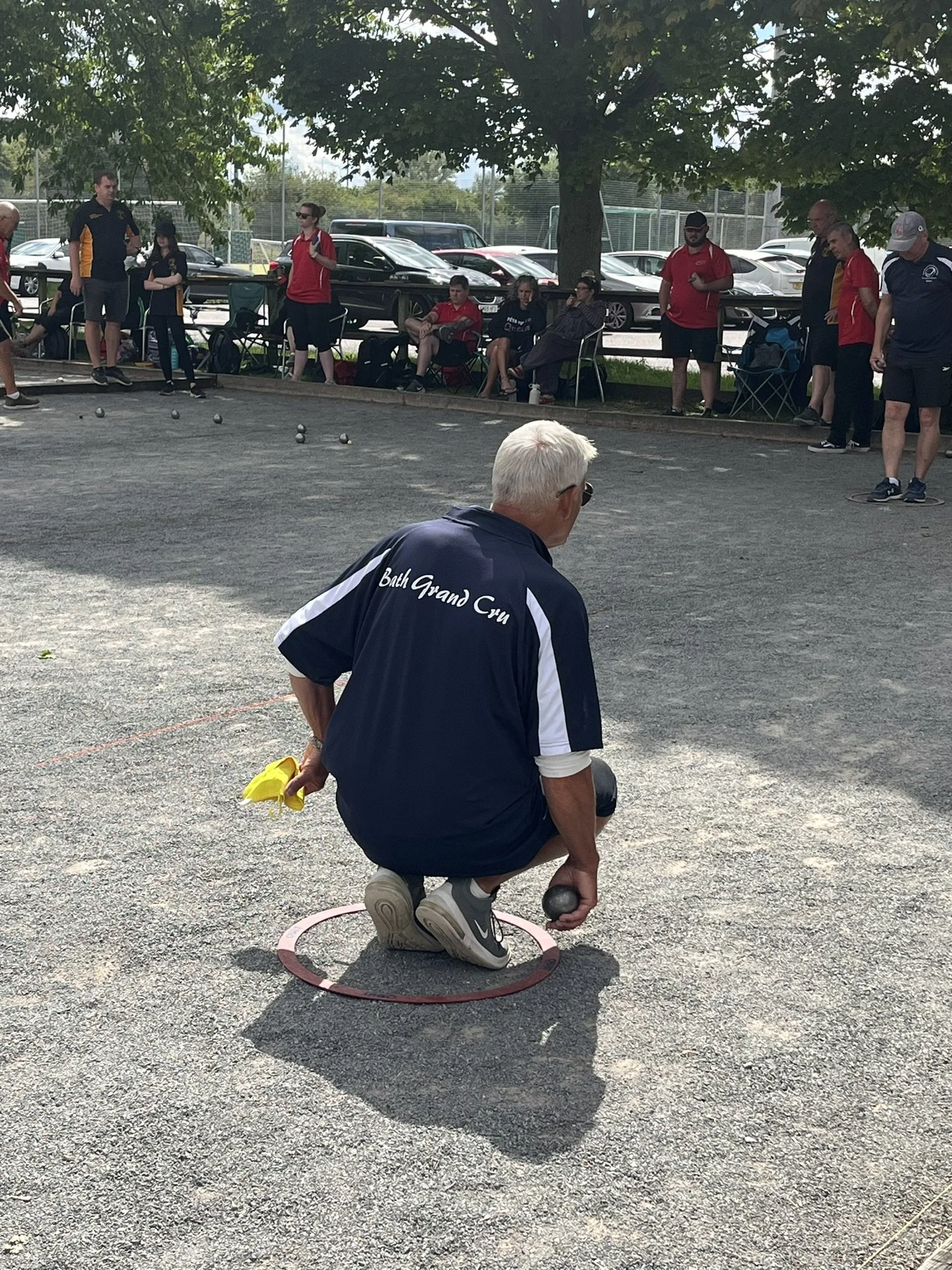
4. First Boule is Thrown
The starting team then throws the first boule, aiming to land it as close to the jack as possible.
-
![A man in a white shirt and jeans crouching on a pétanque court, pointing at the target, with several players in the background under cloudy skies.]()
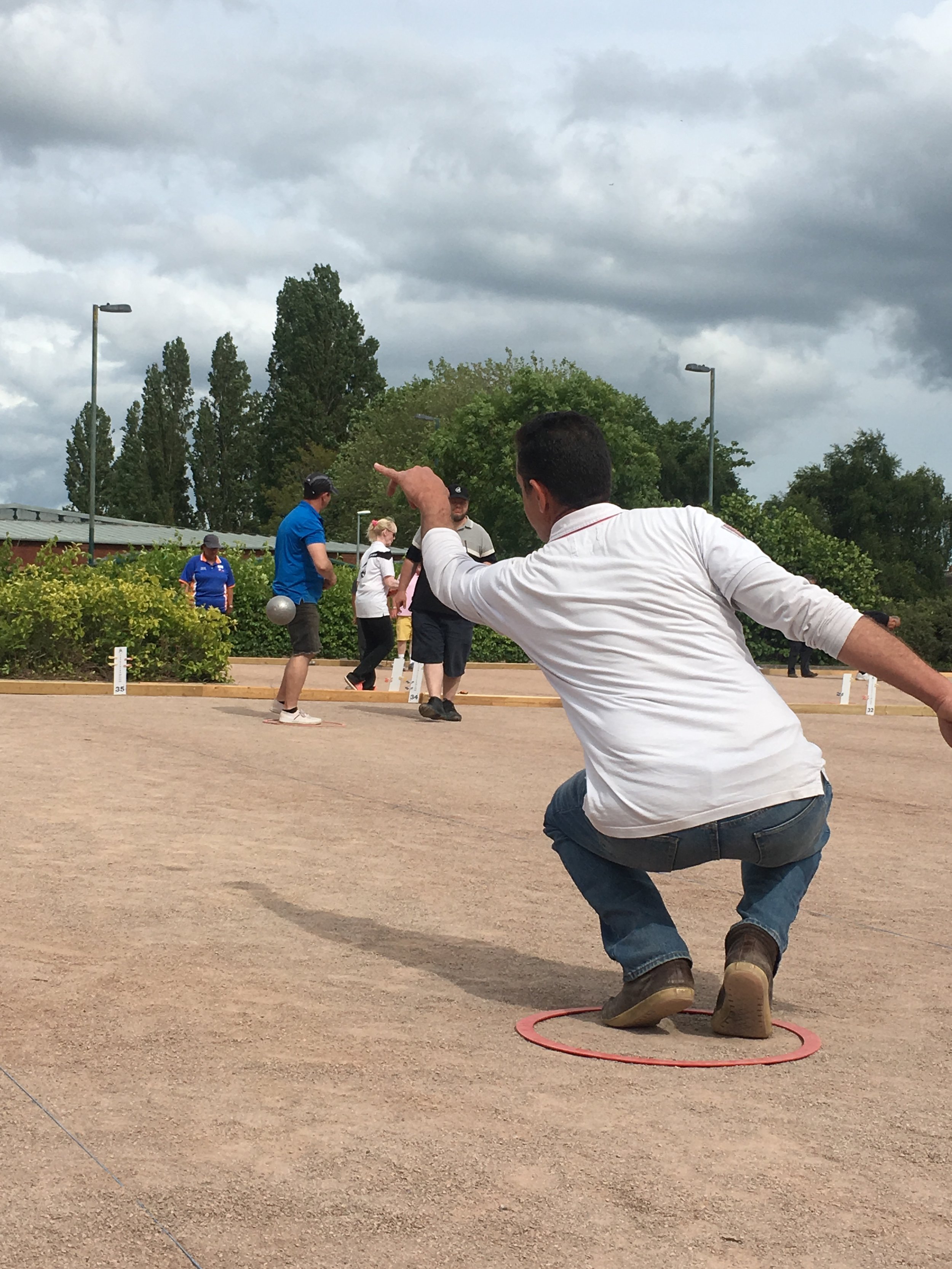
5. Opponent's Turn
Next, a player from the opposing team stands in the circle and tries to get their boule closer to the jack than the opposing team. They can do this by simply throwing their boule so it ends up closer - pointing; or by knocking into the opposing team’s boule and moving it away - shooting.
-
![A group of seven people in black and white striped shirts gathered outdoors on a gravel court, some standing and one kneeling, with trees and advertising banners in the background.]()
6. Who Throws Next?
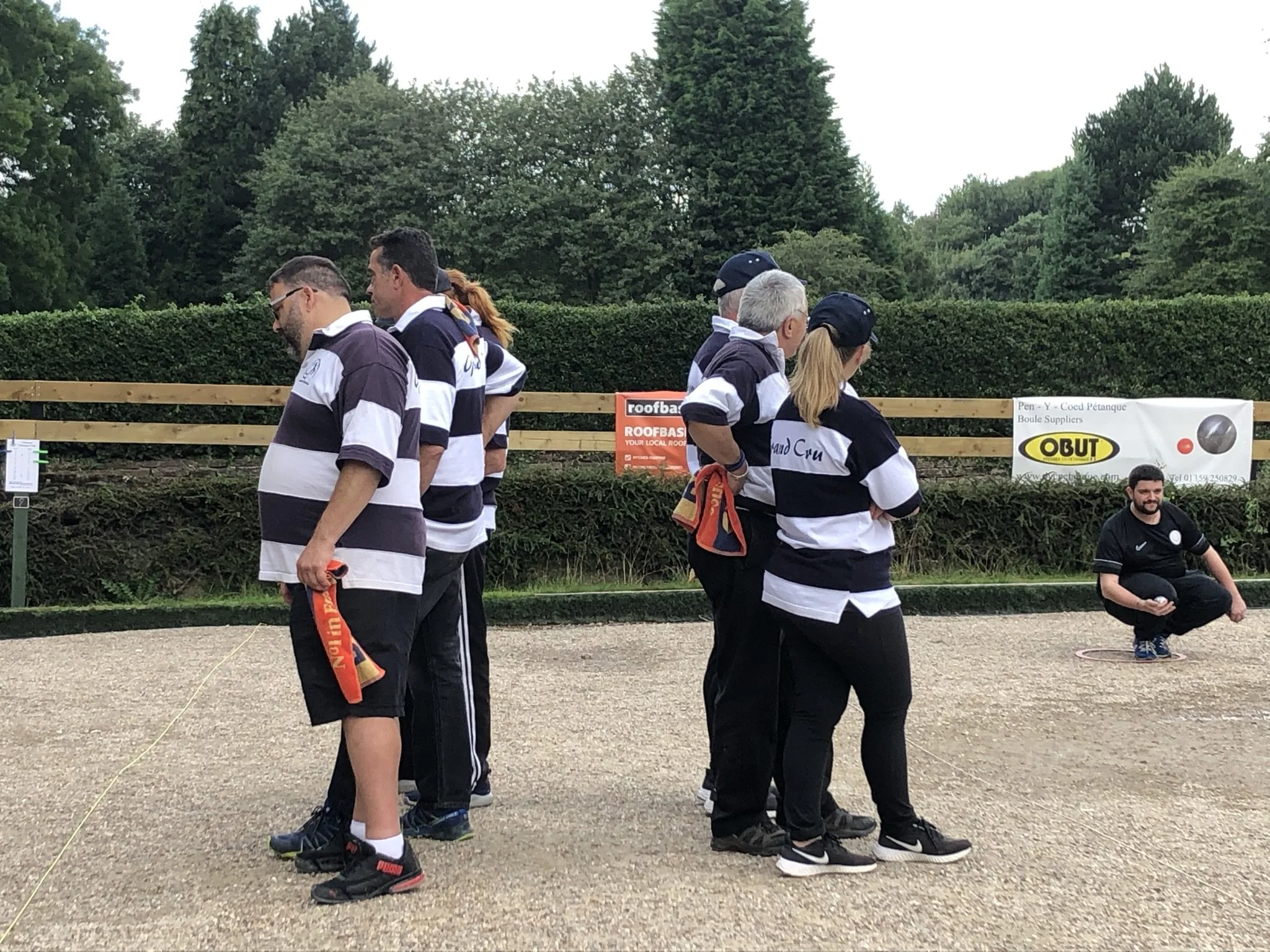
The team not currently closest to the jack always throws next. They continue throwing boules until:
One of their boules ends up closer to the jack than the opponent's, or they run out of boules.
Once a team has used all its boules, the other team throws any remaining boules.
-
![A man wearing a black beret, striped shirt, and shorts kneeling on the ground, measuring the distance between metal petanque boules during a game, with other players nearby.]()
7. Scoring an 'End'
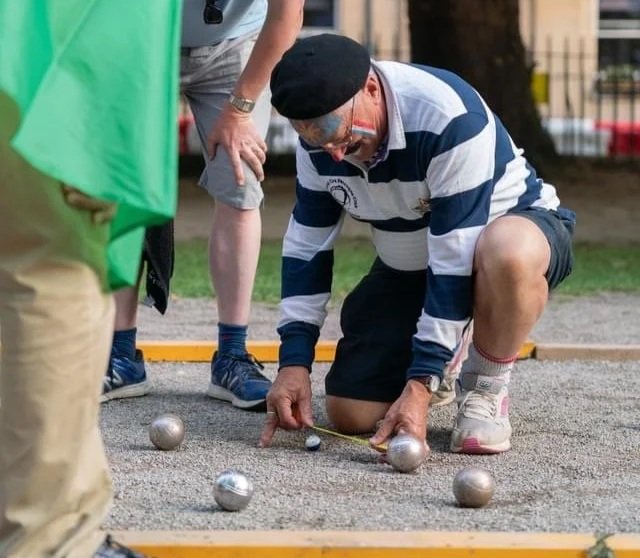
An 'end' is complete once all boules from both teams have been played.
Points are then awarded to the team with the closest boule(s) to the jack. That team scores one point for each of their boules that are closer than the other team’s nearest boule.
For example, if Team A has two boules closer to the jack than Team B’s nearest, Team A scores two points. -
![A man kneeling on the ground inside a red circle, holding a metal ball in his right hand, playing pétanque at an outdoor event with spectators watching.]()
8. Starting the Next End
The team that won the previous end begins the next one. A new circle is drawn around the current position of the jack, and the process starts again from there.
-
![A colorful petanque scoreboard standing next to a green park bench and a leafy bush with white flowers. The scoreboard shows numbers from 0 to 13 and is labeled 'Célébrains Pétanque' at the top.]()
9. Winning the Game
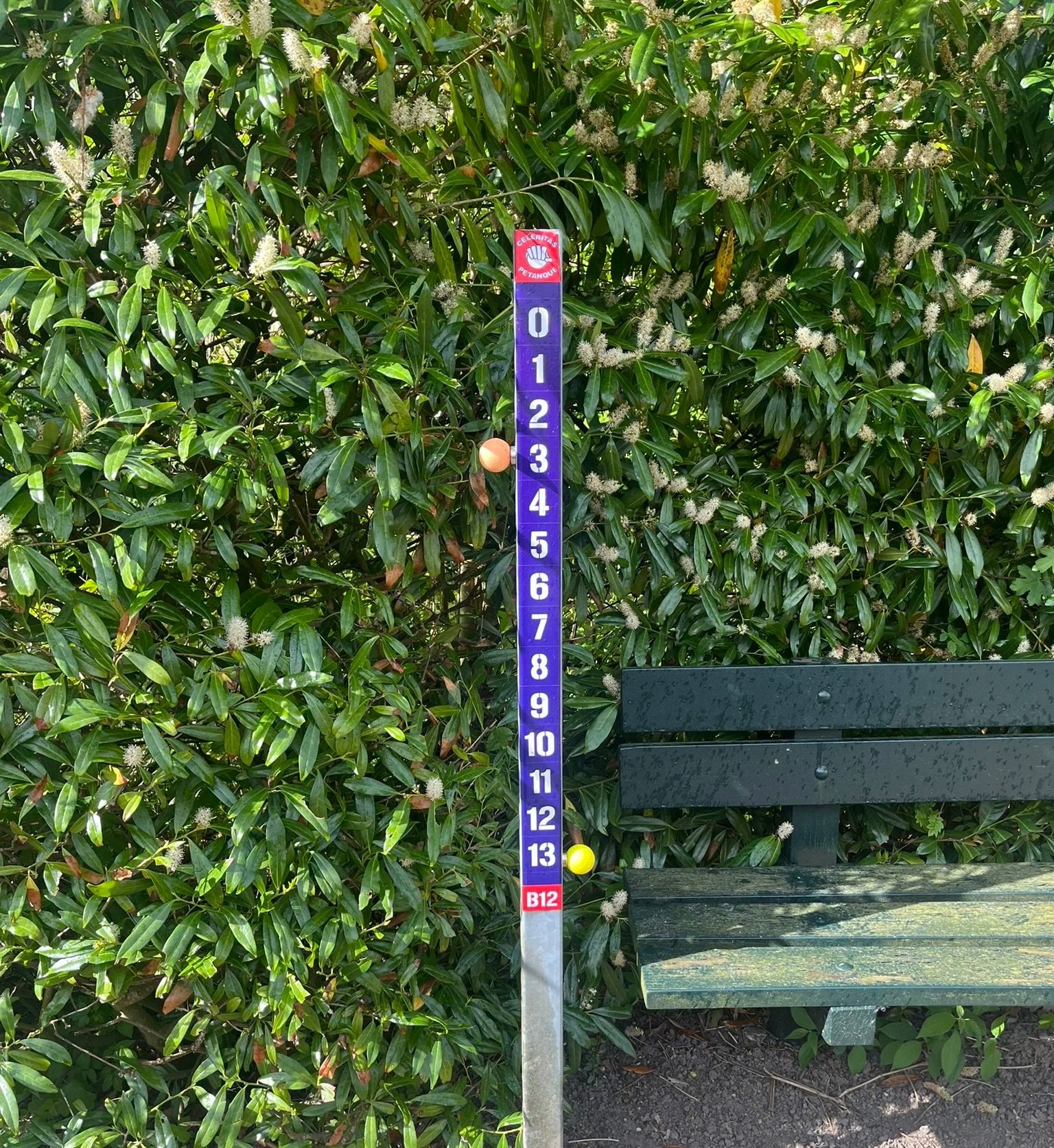
The game continues in this way, with teams playing successive ends and accumulating points.
The first team to reach 13 points wins the game. There is no fixed number of ends—play continues until a team reaches the winning score.